Why Your Usual Size Doesn't Fit the Same in Every Legging Brand
The same size number can fit noticeably differently across legging brands in a way that feels more extreme than with most other clothing categories, and the reason has less to do with inconsistent sizing charts than with how differently each brand’s fabric actually compresses and stretches.
Why Legging Sizing Varies More Than Other Categories
The real cause: the fabric-compression-ratio-not-the-cut-pattern-is-what-mostly-determines-how-a-legging-actually-fits-a-given-body (the specific fabric’s compression ratio — how much it actually stretches and holds versus a woven or looser knit fabric — mostly determining how a given legging fits a body, far more than the cut pattern does, unlike most other clothing categories where cut dominates fit, per the legging-fabric-science logic — the specific-fabrics-compression-ratio-mostly-determining-fit-far-more-than-cut-pattern-does-unlike-most-other-clothing-categories-where-cut-dominates), and the reframe (the same size tag meaning something genuinely different depending on the compression ratio of the fabric behind it, not sloppy sizing).

Why the Tag Number Is Less Reliable Than It Seems
The unreliable signal: the size-label-reflects-a-flat-body-measurement-chart-that-doesnt-account-for-how-differently-each-fabrics-stretch-percentage-behaves-under-tension (the printed size label reflecting a flat body-measurement chart that says nothing about how differently each specific fabric’s stretch percentage behaves once it’s actually under tension on a body, per the legging-fit-problems-fixes logic — the printed-size-label-reflecting-a-flat-measurement-chart-that-says-nothing-about-how-differently-each-fabrics-stretch-percentage-behaves-once-under-tension), and the frame (trusting the size number alone across brands being the actual source of the fit surprise, not a personal sizing inconsistency).
How to Shop by Fabric Stretch Instead
The better method: the check-the-listed-fabric-stretch-percentage-and-compression-level-before-relying-on-the-size-chart-alone (checking the listed fabric stretch percentage and compression level in the product description before relying on the size chart alone, a more reliable predictor of actual fit across brands, per the leggings-complete-guide logic — the checking-the-listed-fabric-stretch-percentage-and-compression-level-in-the-product-description-before-relying-on-the-size-chart-alone), and the frame (shopping by fabric behavior rather than size number alone as the fix for a category where fit varies more by fabric than by cut).
A legging’s specific fabric compression ratio — how much it actually stretches and holds compared to a looser knit — mostly determines how it fits a given body, far more than the cut pattern does, which is unlike most other clothing categories where cut dominates fit. The printed size label reflects a flat body-measurement chart that says nothing about how differently each fabric’s stretch percentage behaves once it’s actually under tension, which is why checking the listed fabric stretch percentage and compression level before relying on the size chart alone is a far more reliable way to predict fit across brands than trusting the same number to mean the same thing everywhere.
See It in Motion
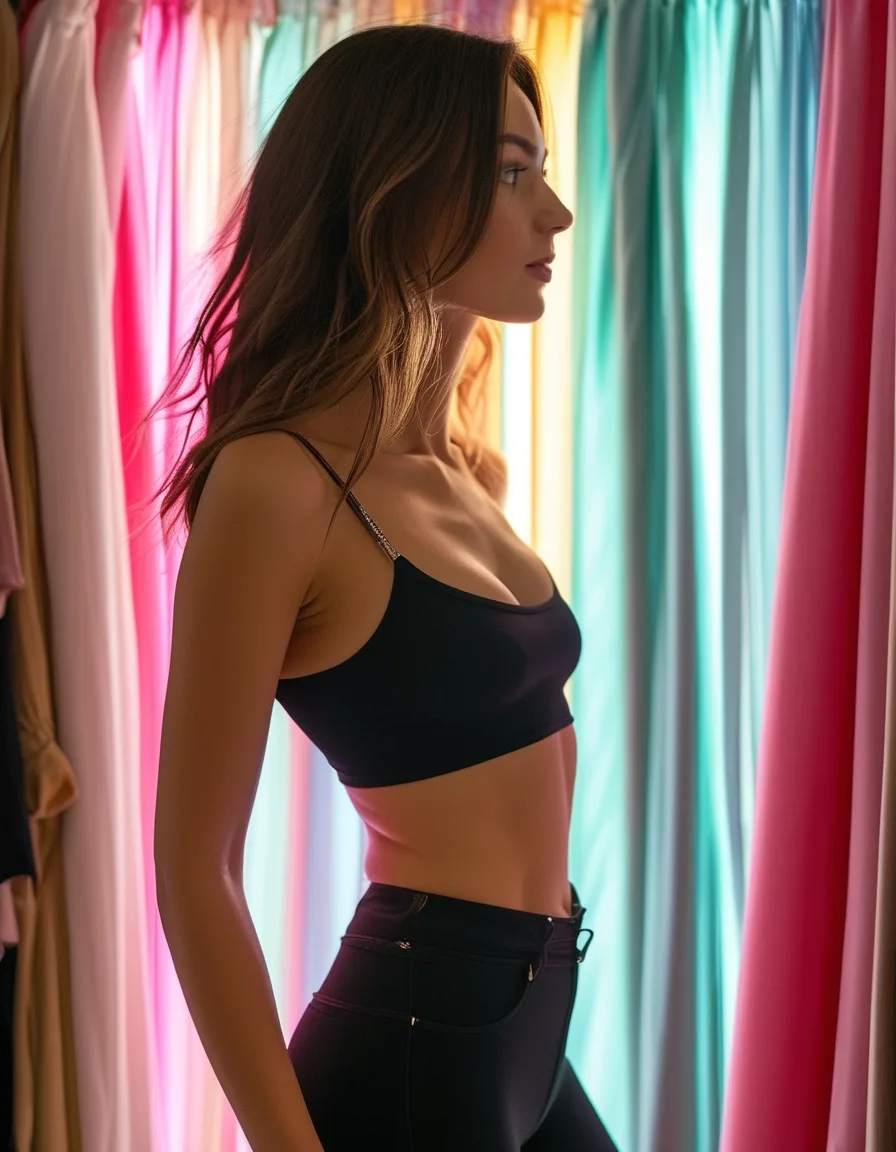
Seen here: High Waist Yoga Leggings with Inner Pocket — shop it on bubblelime.com
Keep Reading
This article is for general informational and styling purposes only. Fit, sizing, and product availability may vary.