Legging Fabric Science: What the Blend Label Actually Tells You
The legging’s entire personality — the feel, the squat-proofness, the sweat behavior, the lifespan — is written on the blend label in a code most shoppers never learned. The fabric-science decoder: the fibers, the matching and the in-store feel tests.

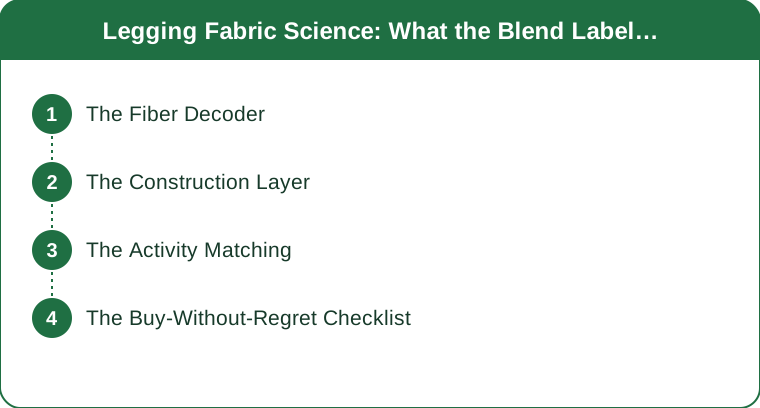
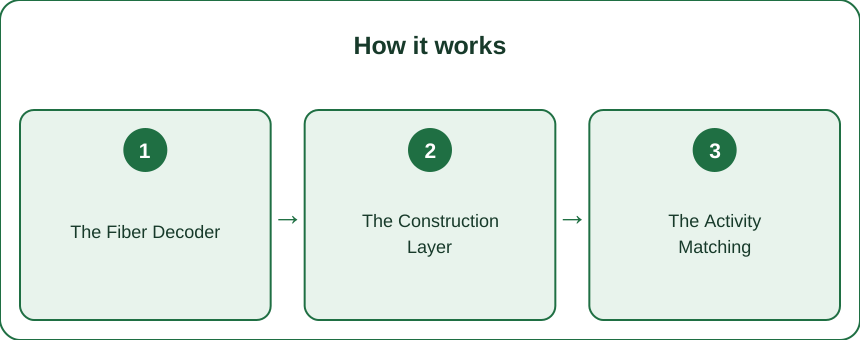
The Fiber Decoder
The blend label translated: the nylon character (the soft, strong, buttery hand — the premium-feel fiber; the moisture handling that stays comfortable; the nylon-heavy blends behind most cult-favorite leggings), the polyester character (the durable, color-holding, budget-friendly workhorse — the slightly-less-soft hand; the sweat-wicking competence with a smell-retention footnote from the laundry chapters), the spandex percentage (the stretch-and-recovery engine — the 15-25% range where performance leggings live; the under-10% blend that bags at the knees by lunch; the number to check FIRST), the cotton caution (the lounge-legitimate, workout-questionable fiber — the sweat-holding and shape-losing behavior; the cotton legging as loungewear per the lounge-versus-active doctrine), and the label-reading habit (the thirty-second check that predicts the legging’s whole life — the blend plus the weight-and-knit feel below).
The Construction Layer
Beyond the fibers: the knit density (the compression-versus-buttery spectrum living mostly in knit and weight, not fiber — the thick interlock knits that sculpt and the brushed lightweights that disappear), the squat-proof mechanics (opacity being density plus stretch behavior — the stretch-test at the store from the squat-proof chapter; the light colors demanding denser knits), the brushed-versus-slick finishes (the peach-feel brushed interiors for lounge-and-lowkey days — the slick performance faces for sweat sessions; the finish predicting the use case), the seam-and-gusset craft (the flatlock seams that don’t chafe, the gusset that means real construction — the details from the pockets-engineering chapter’s quality checklist), and the waistband engineering (the wide high-rise bands that stay put — the elastic-versus-fabric-band feel difference; the roll-down test in the fitting room).
The Activity Matching
Fabric by mission: the high-sweat tier (the slick nylon-or-poly performance knits with 20%+ spandex — the hot-yoga and HIIT specification; the moisture moved and the compression held), the studio-and-lifting tier (the dense squat-proof knits — the opacity under load being the whole job; the compression that lifters and pilates-goers favor), the lounge-and-errands tier (the brushed soft blends where feel wins — the buttery knits whose gentle compression suits all-day wear; the fabric that would die in a spin class and thrive on a couch), the outdoor-seasons tier (the fleece-lined winter and the lightweight summer versions — the seasonal-fabric logic from the weather chapters), and the one-legging-can’t-do-it-all honesty (the wardrobe of two-three fabric personalities beating five identical pairs — the rotation that also extends every pair’s life per the care doctrine).
The Buy-Without-Regret Checklist
The in-store protocol: the hand test (the fabric felt between fingers — the weight-and-softness first impression; the scratchy-now being scratchier at hour six), the stretch-and-recover test (the fabric pulled and released — the snap-back that predicts knee-bag resistance; the stretch that stays stretched failing the test), the opacity check (the stretch against your hand in bright light — the see-through preview from the squat-proof doctrine), the fitting-room moves (the squat, the sit, the leg lift — the movement audit; the waistband-roll and seam-feel checks), the care-label glance (the wash-cold-hang-dry reality accepted or the purchase reconsidered — the care commitment from the activewear-laundry chapter), and the price-per-wear frame (the quality blend at twice the price lasting three times the washes — the math from the cost-per-wear doctrine; the fabric being the product, and now readable). Read the blend, feel the knit, squat in the room: the label, decoded.
Check spandex percentage first (15-25% for performance), nylon feels premium, polyester works harder for less, cotton is loungewear. The stretch-recover-and-squat tests catch what labels can’t.
See It in Motion
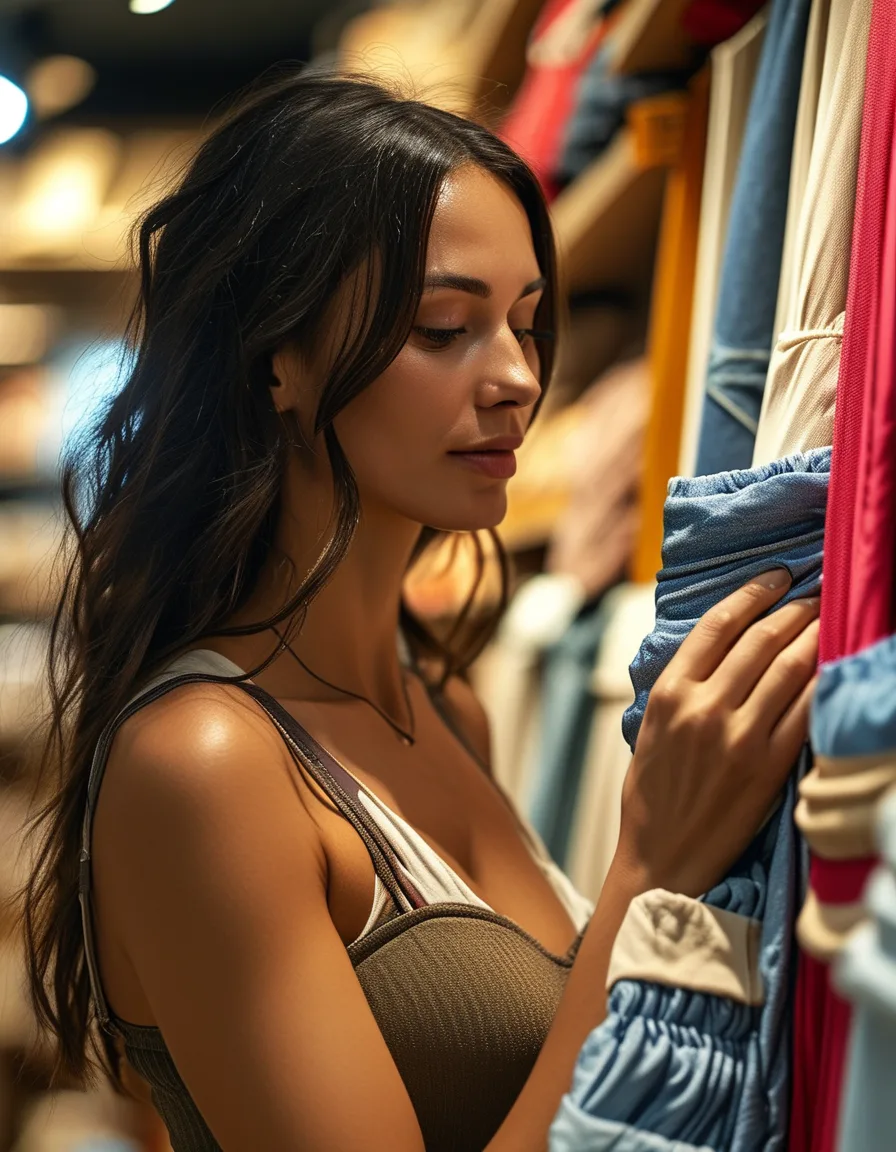
Seen here: Super High Waist Embossed Yoga Leggings with Inner Pocket — shop it on bubblelime.com
Keep Reading
This article is for general informational and styling purposes only. Fit, sizing, and product availability may vary.